
Your brain is not being "rewired" into mush, and anyone who tells you a scrolling habit is melting your neurons is selling something. But too much screen time does have real, measurable effects, and they're worth understanding without the horror-movie framing. Here's what the evidence actually supports about what heavy phone use does to your brain, and, more usefully, what you can do about it.
A note on the science first: most of this research is about problematic smartphone use, the heavy, compulsive end, and much of it shows association rather than proof of cause. So read it as "this pattern travels with these effects," not "your phone is guaranteed to do this to you."
It trains your attention for short bursts
The clearest effect is on sustained attention. A phone rewards you for switching, constantly, from one small hit to the next, and over enough repetitions that becomes the pattern your attention defaults to. Reviews of the research link heavier smartphone use with weaker sustained attention and reduced cognitive control. You're not losing the ability to focus; you're practicing distraction, hundreds of times a day, and getting good at it.
The reassuring flip side: attention responds to practice in both directions. Spend less time task-switching and the capacity for longer focus tends to come back.
It leans on your reward system
The reason it's so hard to stop is chemical, but not in the way the "dopamine detox" crowd means. Apps deliver small, unpredictable rewards, a like, a message, something new, and that unpredictability keeps the reward circuit firing. Over time, heavy use is associated with the prefrontal cortex, the part that governs impulse control, having a harder time putting the brakes on. That's the loop that makes you check without deciding to.
You can't detox your way out of this by sitting in a dark room, and you don't need to. What helps is reducing the number of times the loop gets to fire, which is a matter of environment more than effort.
It costs you sleep, and sleep costs you everything
This is the effect with the hardest evidence and the biggest downstream cost. Heavier device use, especially at night, is linked with worse sleep quality, and poor sleep degrades exactly the things heavy screen use already strains: attention, mood, impulse control. Losing sleep to a late scroll isn't one problem. It's the multiplier on all the others, which is why the single most valuable change most people can make is protecting the hour before bed.
What actually helps
The encouraging part is that the fixes are behavioral, not medical, and they're smaller than the panic suggests. Research on deliberately cutting phone use, including a study of 619 adults who reduced use by one hour a day, found improvements in mood and wellbeing that lasted months, from a reduction, not a total quit.
Three practical moves, in order of payoff:
Protect sleep first. Get the phone out of the bedroom, or make the feeds unavailable after a set hour. This one change touches attention, mood, and impulse control at once.
Cut the number of reflex checks. Turn off non-human notifications so the loop gets fewer chances to fire.
Reduce, don't quit. The evidence favors a sustainable hour less over a heroic detox that snaps back.
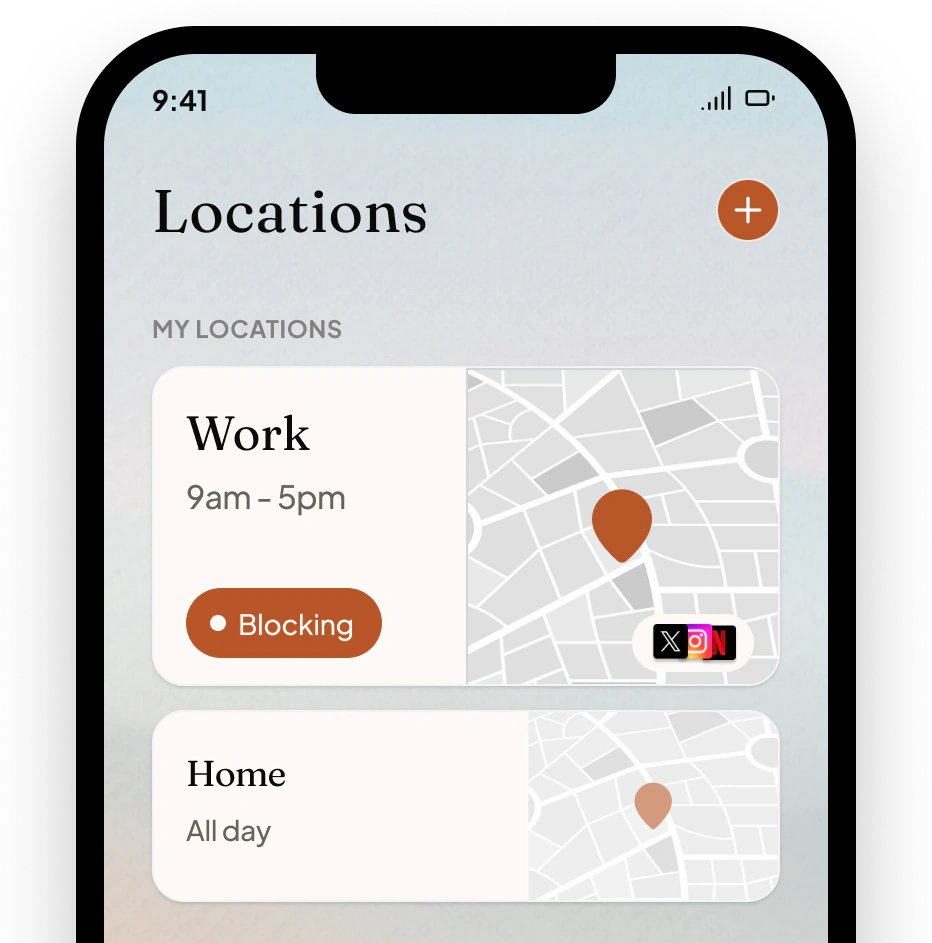
If you want the mechanics of doing that without fighting yourself every night, we wrote a realistic one-week plan, and apps like enough. make the apps unavailable at the times and places you choose so the reflex has nowhere to go. The brain effects are real. They're also, mostly, reversible.