
Most people looking for the symptoms of too much screen time already suspect the answer. You don't go searching unless something feels off. The useful thing isn't a number on a dashboard, it's recognizing the specific signs, because they're easy to blame on other things: a bad week, getting older, just being tired. Often it's the phone, and often it's fixable.
Here are the signs worth taking seriously, what the research links them to, and a fix that doesn't require throwing your phone in a lake.
The signs most people miss
You check without deciding to. The clearest tell isn't how long you're on the phone, it's how little choice is involved. If your hand finds the phone before you've had a thought, that's the reflex the whole thing runs on. Surveys find nearly half of people scroll purely out of habit, the thumb moving before the intent.
Focus comes in short bursts. You sit down to read or work and surface every few minutes, restless, reaching for the phone even when nothing buzzed. Heavier phone use is associated with weaker sustained attention; the constant task-switching becomes the default.
Your sleep is worse than it should be. You're tired but you scroll in bed anyway, then sleep badly, then feel worse the next day. Night-time device use is one of the most consistently documented links to poor sleep quality, and poor sleep quietly worsens everything else on this list.
The first reach is the phone. More than 80% of people check their phone within ten minutes of waking. If the phone is the first thing you touch and the last, it's set the frame for your whole day.
You feel worse after, not better. The honest gut-check: notice how you feel after a long scroll. If it's flat, anxious, or vaguely guilty rather than rested, your brain is telling you something the screen time report can't.
Why the total screen time is a bad measure
You'll notice none of those signs is "more than X hours." That's deliberate. An hour of video-calling family and an hour of 1am doom-scrolling read identically on your screen time report and land completely differently in your life. The symptoms are about the pattern, the reflex, the timing, the after-feeling, not the raw total. Chasing a number misses the point. We dug into how much screen time is actually too much if you want the guideline anyway.
What to do about it
The fix is smaller than the problem feels. You don't need to quit; you need to interrupt the pattern in the few places it costs you most.
Start with the worst window. Pick the one that stings most, usually the hour before sleep or the first ten minutes of the day, and make the phone boring in just that window.
Cut the cues. Turn off notifications for anything that isn't a person, so the reflex gets fewer triggers.
Reduce, don't quit. A study of 619 adults found that cutting phone use by one hour a day improved mood and wellbeing for months. One hour, not zero.
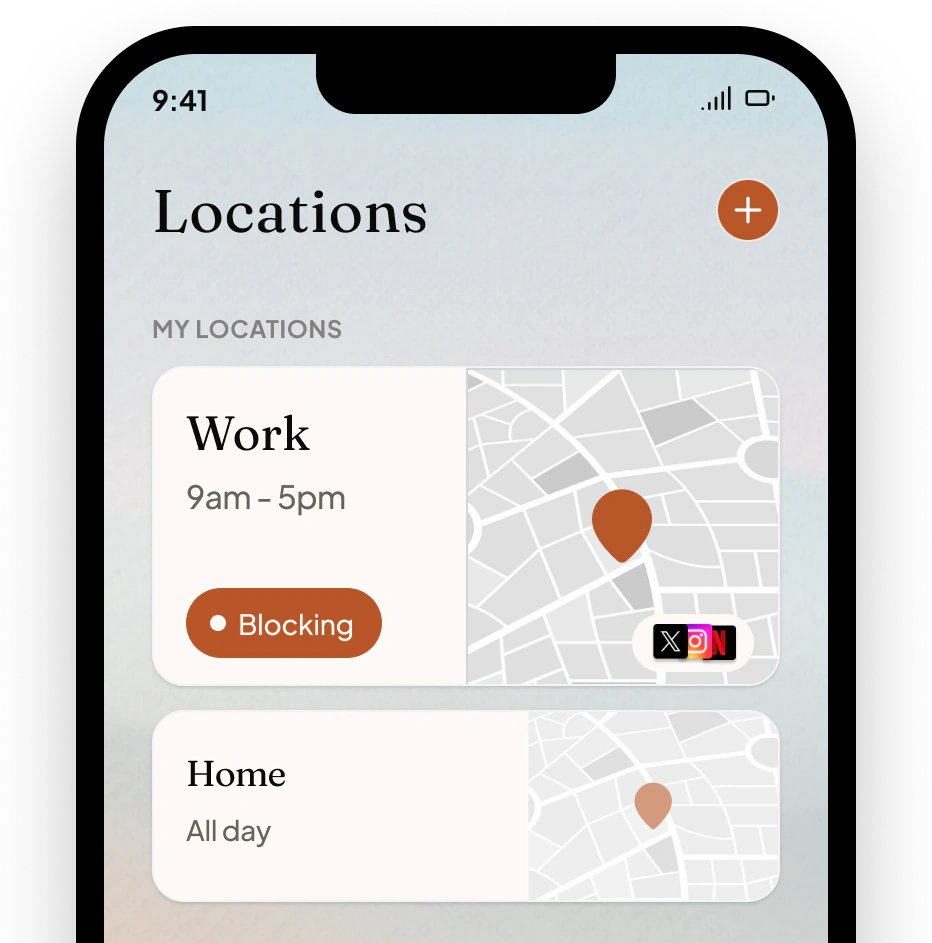
If you want that to hold without a nightly fight, enough. hides the apps you choose at the times and places you choose, so the reflex meets a wall instead of a feed. The symptoms are common, and they're not a verdict on you. They're a signal, and the signal responds to a surprisingly small change.