
"Smartphone addiction" is a heavy phrase, and it's worth being careful with it. Clinically, it isn't a formal diagnosis the way substance addiction is; researchers more often call it problematic smartphone use. But the everyday experience the phrase points at is real: reaching for the phone without deciding to, feeling anxious without it, and losing time you meant to spend elsewhere. This is a plain-English overview of what's actually going on and what actually helps.
The reassuring frame up front: the problem is mostly the design, not your character, and the fixes are behavioral and smaller than the word "addiction" makes them sound.
The signs
You don't need a checklist to recognize it, but a few markers separate a strong habit from something worth addressing:
The reach is automatic. Nearly half of people scroll purely out of habit, and the average person checks their phone 205 times a day.
There's discomfort without it, a low anxiety when the phone's in another room.
It crowds out other things, sleep, conversations, the thing you sat down to do.
You feel worse after a long session, not better, and reach for it again anyway.
If several of those ring true, that's worth acting on. If it's more of an occasional pull, you're firmly in normal-habit territory, and the same fixes still help.
The causes
Two forces, working together.
The design. Apps deliver small, unpredictable rewards, and unpredictability is the most powerful driver of repeat behavior we know of. It's the same mechanism behind a slot machine, and it has nothing to do with weak character. Over time, heavy use is associated with reduced impulse control in the prefrontal cortex, the part meant to say "not now."
The habit loop. A cue (boredom, a buzz, a spare second), a quick action (check), a small reward (sometimes). Repeat it enough and the cue barely registers; the thumb moves before the thought. What started as a choice becomes a reflex.
The real fixes
Here's the part that matters, and where the "addiction" framing actually misleads: you very likely don't need to quit. The strongest evidence favors deliberate reduction over abstinence. A study of 619 adults found the group that cut phone use by one hour a day did better, and stayed better four months on, than the group that quit entirely for a week.
So the fixes, in order of payoff:
Cut the cues. Turn off notifications for everything that isn't a person. Fewer triggers, fewer loops.
Protect sleep. Get the phone out of the bedroom or make the feeds unavailable after a set hour. Sleep is the multiplier on everything else.
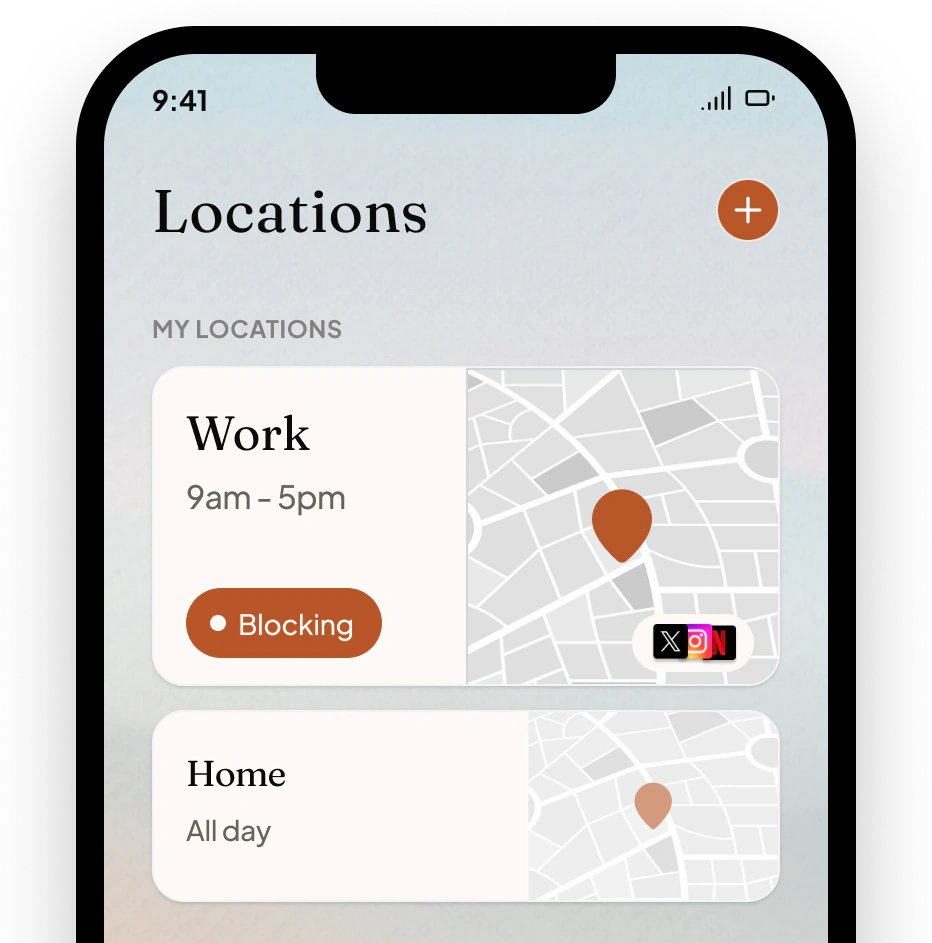
Add friction where the reflex lands. Don't rely on resisting the urge hundreds of times a day; change what happens when it fires. enough. hides the apps you name at the times and places you choose, so the reflex meets a wall instead of a feed, and getting in takes a deliberate press-and-hold. You decide it once, on a calm day, rather than negotiating every time. It's iPhone only, $49.99 a year, with a free plan covering one place and one schedule.
Reduce, don't quit. Aim for one deliberate hour less, not a heroic detox that snaps back by Friday.
If you want steps rather than an overview, can't stop checking your phone? walks through the reflex directly, and our one-week plan puts the reduction into practice. The word "addiction" makes this feel like a fight with yourself. It's really an argument with a design, and you can win it by changing the environment instead of out-muscling the urge.