
Opal costs $99.99 a year on the annual plan, which the app shows as $8.29 a month. If you pay month to month it's $19.99, and there's a one-time lifetime option at $399. That's the whole answer to how much Opal costs, and the rest of this page is the part that actually matters: what you get for it, what the free plan quietly leaves out, and whether a cheaper app does the same job for you.
One disclosure before we start counting: we make enough., one of the cheaper alternatives further down. We'll give you Opal's real numbers straight and tell you honestly where paying more for Opal makes sense.
What Opal's free plan includes
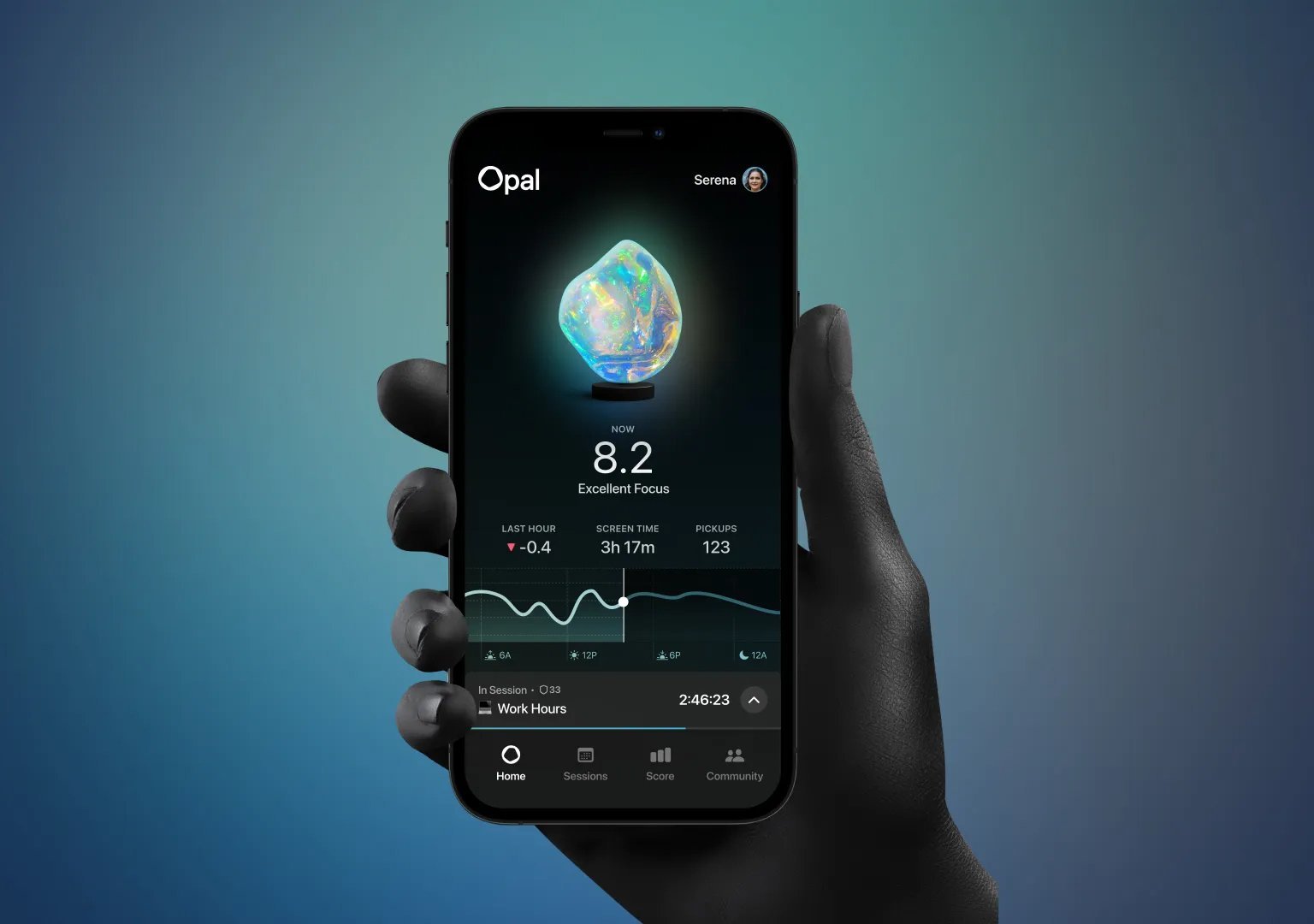
Opal has a free tier, but treat it as a demo rather than a plan you'd live on. The free version gives you a single rule at the basic difficulty level, which means you can cancel a session any time you like. That's enough to see how the app feels. It isn't enough to feel what the app actually does, because the features that create real accountability sit behind the paywall.
So the honest read: the free plan is a test drive. If you're deciding whether Opal is worth it, budget for the trial week and judge it as the paid product it's designed to be.
What Opal Pro costs, and what you get
Pro is where the product lives. For your $99.99 a year you get unlimited rules, scheduled and on-demand focus sessions, an allow-only mode, harder blocking difficulties up to a no-unblocks Deep Focus, and the Opal Score with history. It runs on iOS, Android, and Mac. Opal also lists a student discount of up to 50% off Pro, so if you're at a university it's worth applying before you pay full price.
Is it worth it? For the right person, yes, and we said so in detail in our full Opal review. The polish is real and the session model is the best in the category. The question is whether you need everything you're paying for.
Cheaper alternatives that do the core job
If the core job is "make distracting apps hard to reach," several apps do it for less than $99.99 a year.
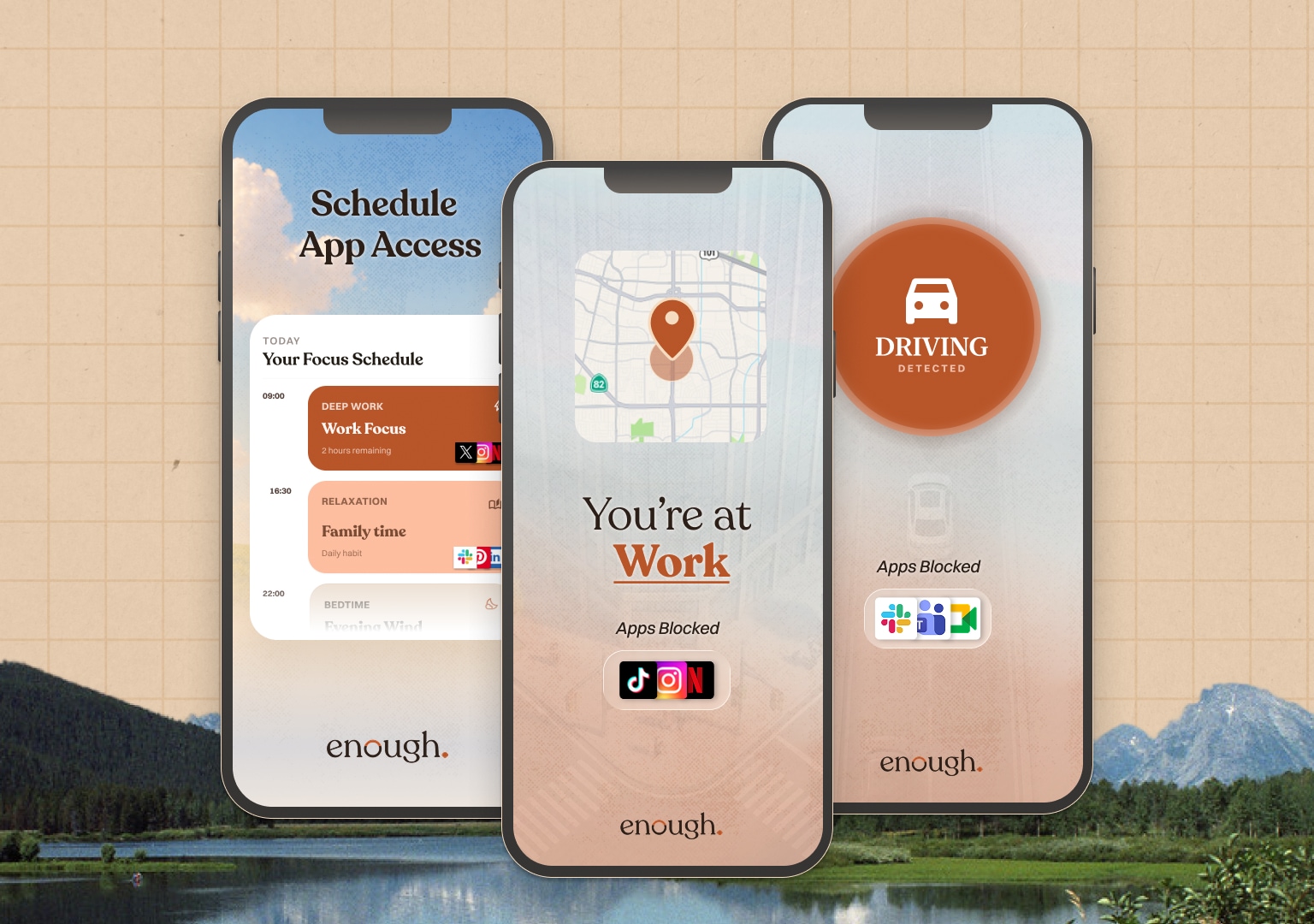
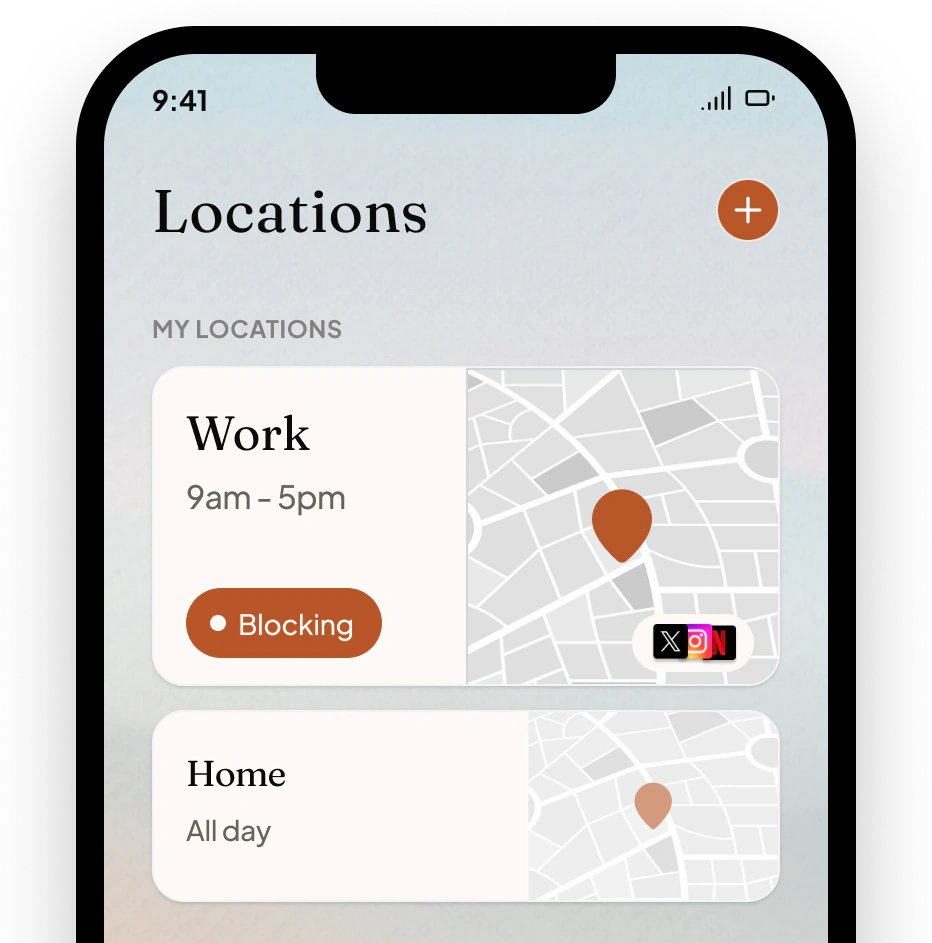
enough. is ours, so weigh it accordingly. The Complete plan is $49.99 a year, half of Opal Pro, or $6.99 monthly, and the free plan covers one place and one schedule permanently rather than expiring. The difference isn't just price. enough. acts on context, hiding apps at the places you set and the hours you choose, plus a driving mode, where Opal acts on time blocks you schedule. If your phone problem is tied to where you are, that's a better fit at a lower price. If it's about protecting scheduled blocks of deep work, Opal's model is worth the premium.
The honest bottom line
Opal costs $99.99 a year for the full product, and it's a fair price for the most polished session-based app in the category. But "most polished" and "right for you" aren't the same thing. If you like the style and approach that Opal's app takes, then it might be worth paying for Opal. If you want most of the same features, if your habits are tied to a place, or you'd rather spend half as much, start with a cheaper alternative and keep the $50. The best screen time app is the one that fits your actual problem, not the one with the biggest price tag.