
A digital detox means deliberately stepping back from screens, phones, and social media for a set stretch of time: a single evening, a phone-free dinner, a week away. The goal is to reset how you use them. No toxins are involved, despite the name.
The word borrows its drama from substance detox. That framing implies your phone use is poison to be flushed and that a clean break leaves you purified. Neither holds up. A digital detox has evidence behind it, and it's also oversold.
What a digital detox actually is
Strip away the retreat photos and it's simple: you pick a boundary and you keep it. No phone after 9pm. No social media on Saturdays. A week where work apps come off entirely. The scale varies, but the mechanism is the same every time: a deliberate limit on when and where screens get access to you.
Specific and repeatable works. Vague and heroic doesn't. "I'm quitting the internet to find myself" tends to last until Wednesday.
What the research supports
There's a real finding underneath the hype, and it's more encouraging than the all-or-nothing framing suggests. In 2022, researchers at Ruhr-Universität Bochum split 619 adults into three groups: one gave up smartphones entirely for a week, one cut daily use by a single hour, and one changed nothing.
The one-hour group did best, and the effect lasted. Four months on, they were still using their phones 45 minutes less a day, reporting more life satisfaction, more exercise, and fewer symptoms of depression and anxiety. The full-abstinence group improved too, but their gains faded faster. Reduce deliberately and let it stick. That beat unplugging completely for a week.
What a digital detox won't fix
A detox is a pause. A pause doesn't change what you come back to.
It won't fix a habit by itself. You white-knuckle a screen-free weekend, then return to the exact same phone: same apps one tap away, same reflex at 11pm in the bedroom. Monday looks like the Friday before. That's not a personal failure. It's what happens when you remove the behavior for two days without changing the environment that produces it.
It won't address why you reach for the phone. Boredom, anxiety, avoidance, and loneliness don't take the weekend off. A detox can show you they're there. Showing isn't solving.
The "quit everything" version feels significant and rarely survives contact with a normal week. The evidence points the other way.
The version that works
If a detox is a pause, the thing worth building is a structure the pause hands off to. The Bochum result points the way: not a heroic week, but a small deliberate reduction you keep.
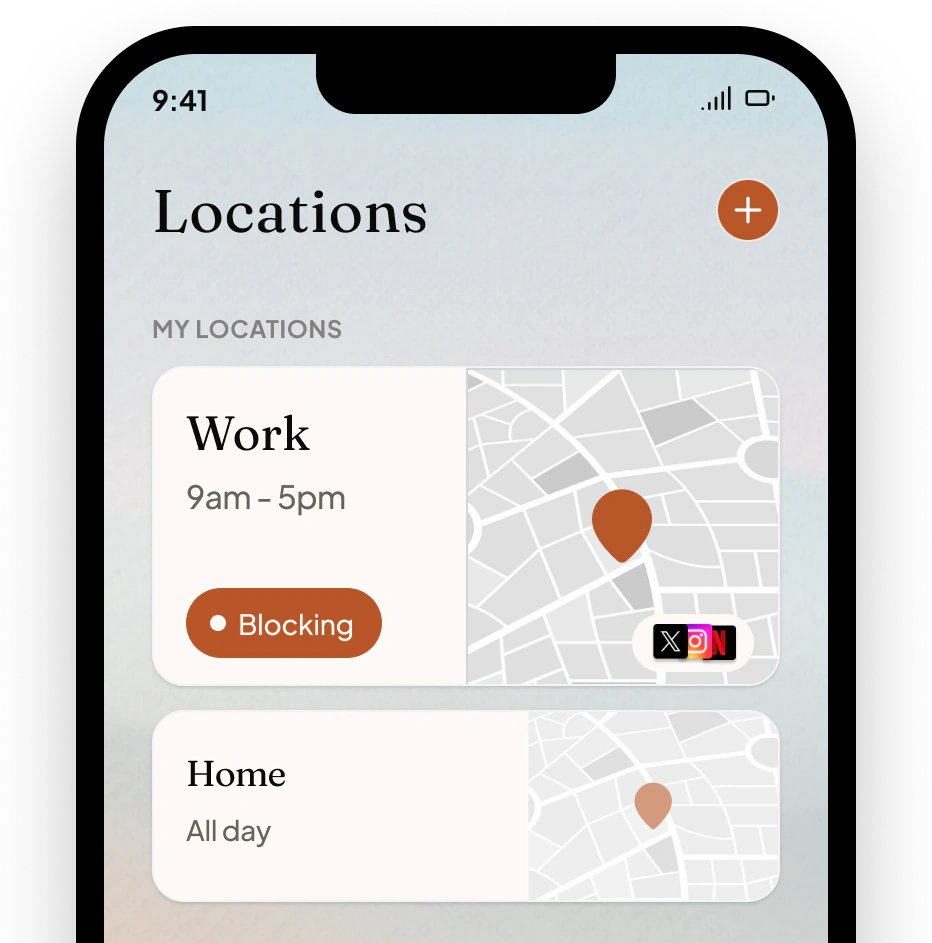
That means picking one boundary you can actually hold and making the environment hold it with you, rather than relying on remembering. Decide the boundary on a clear afternoon, the 9pm cutoff, the phone-free dinner, and then remove the moment-to-moment decision. Apps that hide themselves at the times and places you chose do this without asking you to hold the line at 11pm; enough. is one way, its free plan covers a single schedule, and a plain phone drawer and a charger in another room is another. The tool matters less than the handoff.
We wrote a realistic one-week plan that's really this idea walked out day by day. Start there if you want steps instead of a definition.
The short answer
A digital detox is a deliberate break from screens to reset how you use them, and the research says the deliberate part matters more than the break part. It's a real tool. It just isn't a cure, and anyone selling it as one is selling the retreat, not the result. Take the pause if it helps. Build the small daily version if you want it to last.