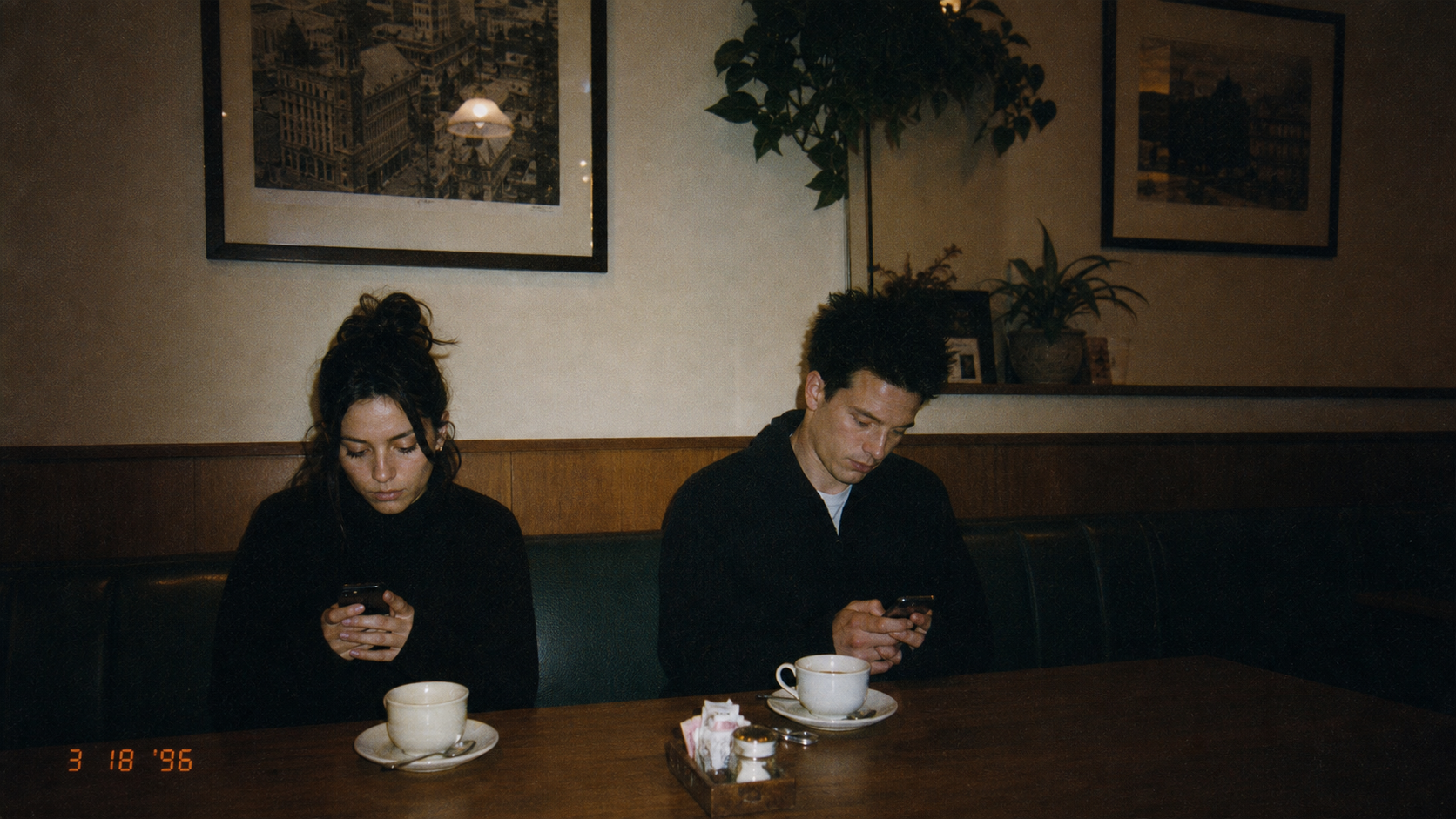

If you can't stop checking your phone, you're not weak and you're not alone in some embarrassing way. You're doing the exact thing the phone was designed to make you do. The average person in the US now checks their phone 205 times a day, roughly once every five waking minutes, and nearly half of us admit we're doing it out of pure habit, not because anything's actually there.
That last part is the useful bit. If the checking were about real messages, you couldn't fix it without ignoring your life. But most of it isn't. It's a reflex, and reflexes can be dulled.
Why the reflex happens
The loop is old and simple: a cue, a quick action, a small unpredictable reward. Your phone buzzes, or you just feel a flicker of boredom, so you check, and sometimes there's something good waiting and sometimes there isn't. That "sometimes" is the whole engine. A reward you can predict gets boring fast. A reward that might be there keeps you pulling the handle, which is the same mechanism that makes slot machines work and has nothing to do with your character.
Over enough repetitions the cue barely registers. In one 2024 survey 48% of people said they scroll out of habit or muscle memory, the thumb moving before the thought arrives. You're not deciding to check. You've stopped needing to decide.
Why "just check less" doesn't work
The standard advice is to notice the urge and resist it. The problem is that this asks the tired, bored, 11pm version of you to win a fight against a reflex hundreds of times a day, and in-the-moment resistance is exactly the wrong tool because it runs out. Every check you resist spends a little more of it, and by evening the tank is empty. That's not a character failure. It's the predictable result of fighting a design with the one resource the design is built to drain.
So don't fight the urge. Change what happens when it fires.
What actually dulls it
Two moves, and the second is the one that sticks.
Break the cue. Turn off notifications for anything that isn't a person. No badges, no banners, no buzz for likes and news and app updates. This alone removes a huge share of the cues, and it's free. Do it now, in Settings under Notifications; it's the highest-impact ten minutes you'll spend.
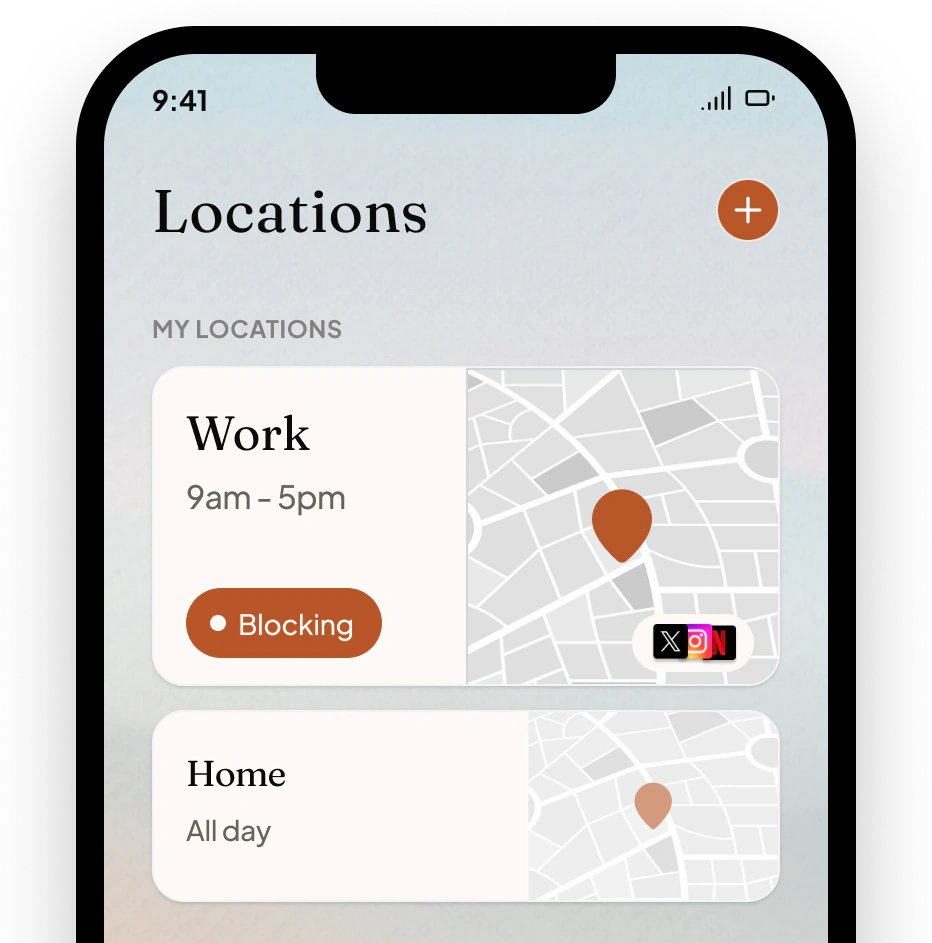
Add friction where the reflex lands. When the urge fires and the app opens instantly, the loop completes and you're gone. Put something small in the way and the reflex has nowhere to go. This is the idea we built enough. around: it hides the apps you name during the times and places you choose, so at 11pm, or the moment you sit down to dinner, the feed you'd reach for isn't one tap away. Getting in takes a deliberate press-and-hold from a small daily allowance, which is enough to catch the automatic pull without locking you out of your own phone.
Here's the part that matters: you set this up once, on a clear afternoon, and the hard moment is handled by that earlier decision instead of by in-the-moment resistance. The free plan covers one place and one schedule, which is enough to prove the idea on your worst checking window.
Start with the worst five minutes
Don't try to fix 205 checks. Pick the single worst window, the first ten minutes after waking, the commute, the hour before sleep, and make the phone boring in just that window. 80% of people check their phone within ten minutes of waking up; if that's you, start there. Dull the reflex in one place and it gets quieter everywhere, because you're not fighting it anymore. You spent one afternoon of setup, and the reflex ran out of somewhere to go.