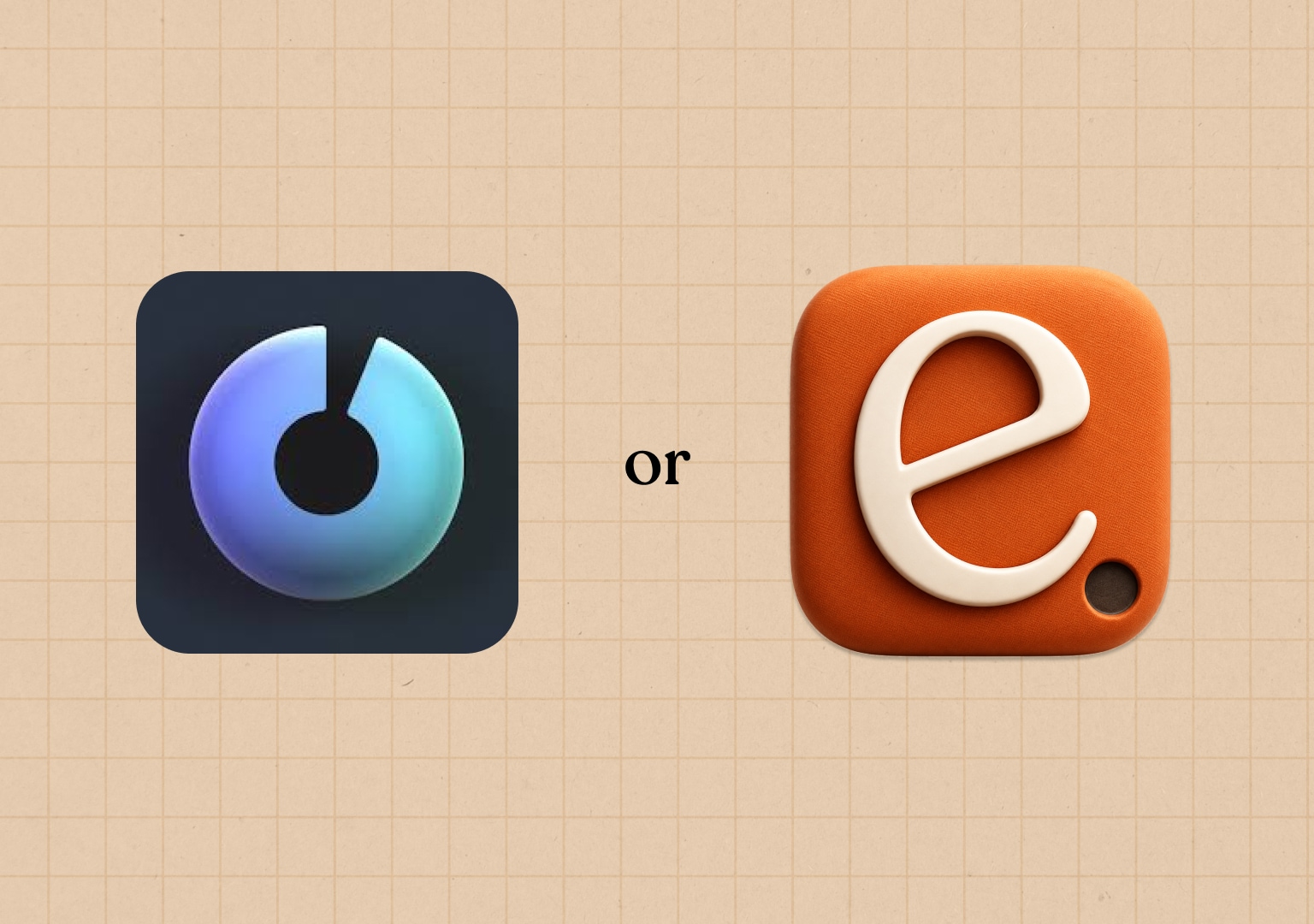
one sec has a simple, good idea: before a distracting app opens, it makes you take a breath. You tap Instagram, a short breathing exercise appears, and by the time it finishes the urge has often passed. The company says the approach is peer-reviewed and cuts app usage by about 57% on average, and in practice a lot of people find that pause breaks the autopilot.
If you're looking for an alternative, it's usually for one of two reasons: one sec leans on iOS Shortcuts automations that can feel fiddly to set up, or you want friction that goes further than a breath. Here are the alternatives worth trying, with the disclosure that we make one of them, enough.
What you're actually looking for
Every app here shares one belief: the problem isn't a lack of information about your screen time, it's the speed of the reflex. Close the gap between the impulse and the app, and most mindless scrolling falls away. Where they differ is how much friction they add, and whether that friction is a pause you can push through or a block you set in advance.
enough. (friction you decide once)
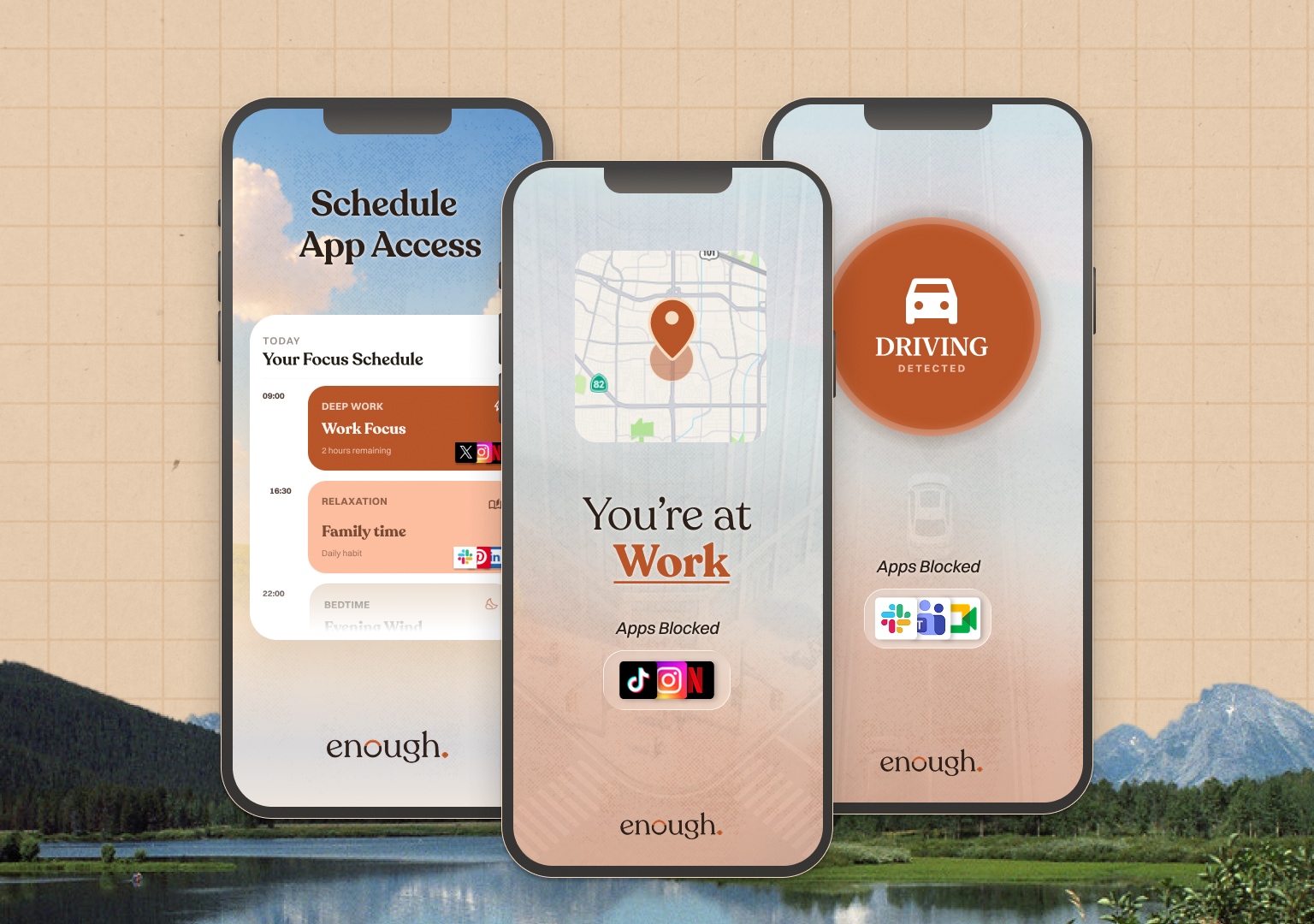
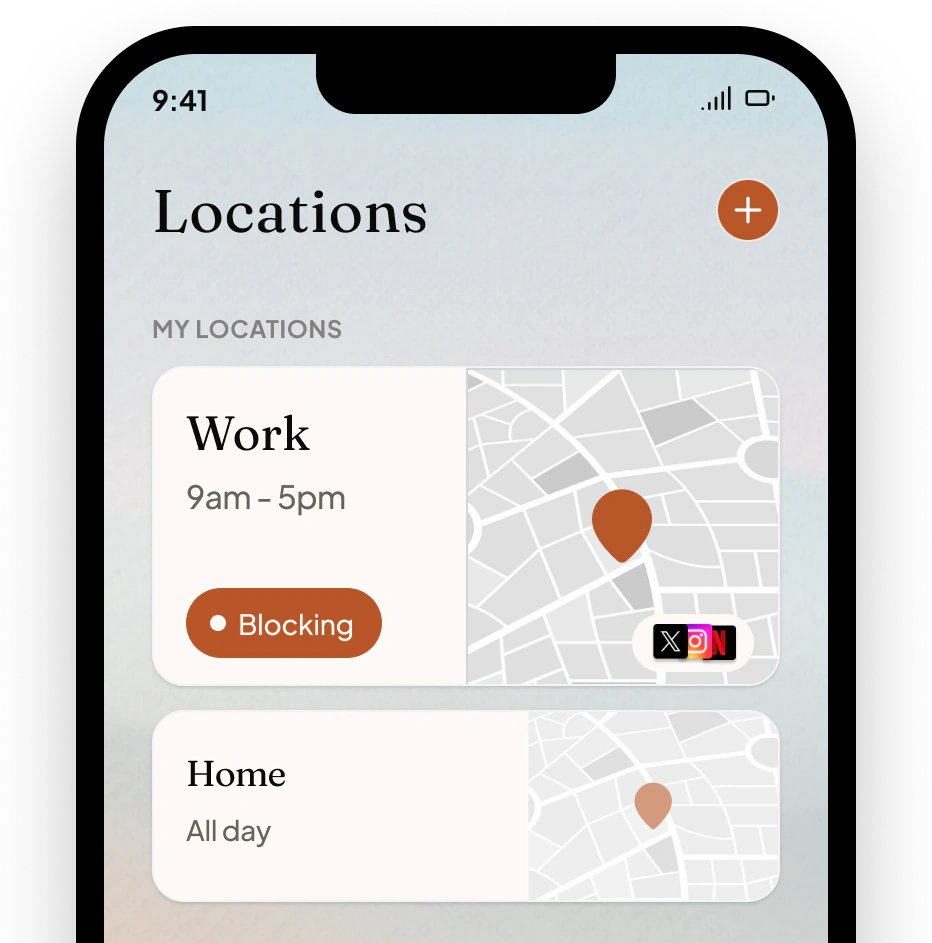
This is ours. Where one sec adds a breath every time you open an app, enough. lets you decide in advance that certain apps just aren't available at certain times and places, so at 11pm or the moment you arrive at work, the feed isn't there to open at all. When you do need in, it takes a deliberate press-and-hold from a small daily allowance, longer friction than a breath, by design, for the moments you most want protected.
The honest trade: enough. is iPhone only, and it asks you to set things up on a calm afternoon rather than deciding in the moment. It's $49.99 a year for Complete, with a free plan covering one place and one schedule. If one sec's per-open pause is enough for you, you may not need more. If you keep breathing through the pause and opening the app anyway, that's the signal you want a firmer boundary.
Opal (protected blocks of time)
Opal takes a heavier approach than a pause: scheduled focus sessions where chosen apps disappear entirely, with harder difficulty levels that remove the escape hatch. It's the premium option at $99.99 a year and covers iOS, Android, and Mac. If your issue is protecting long stretches rather than resisting individual taps, it's a strong alternative. We compared it with others in Opal vs BePresent vs enough.
Forest (a lighter, cheaper nudge)
Forest is the gentlest option here and the cheapest: $3.99 once on iPhone. Instead of blocking, it grows a virtual tree while you stay focused and kills it if you leave, turning attention into a small game. It's closer to one sec in spirit, a nudge rather than a wall, and it plants real trees, which some people find quietly motivating.
How to choose
Want the lightest possible touch? Forest, or stick with one sec.
Breathing through the pause and opening anyway? You want a firmer boundary: enough. or Opal.
Problem tied to a place or an hour? enough., because context is the thing the others don't do.
Protecting long deep-work blocks? Opal.
All of them have a free way to start, so try the one whose level of friction matches how stubborn your habit actually is. The pause that works for one person is the wall someone else needs.